1
Secure The Property
Emergency board-up, tarping, and hazard assessment help protect the structure from weather, theft, and further damage right after the loss.
Emergency board-up, smoke cleanup, damage documentation, and reconstruction coordination after residential or commercial fire loss.
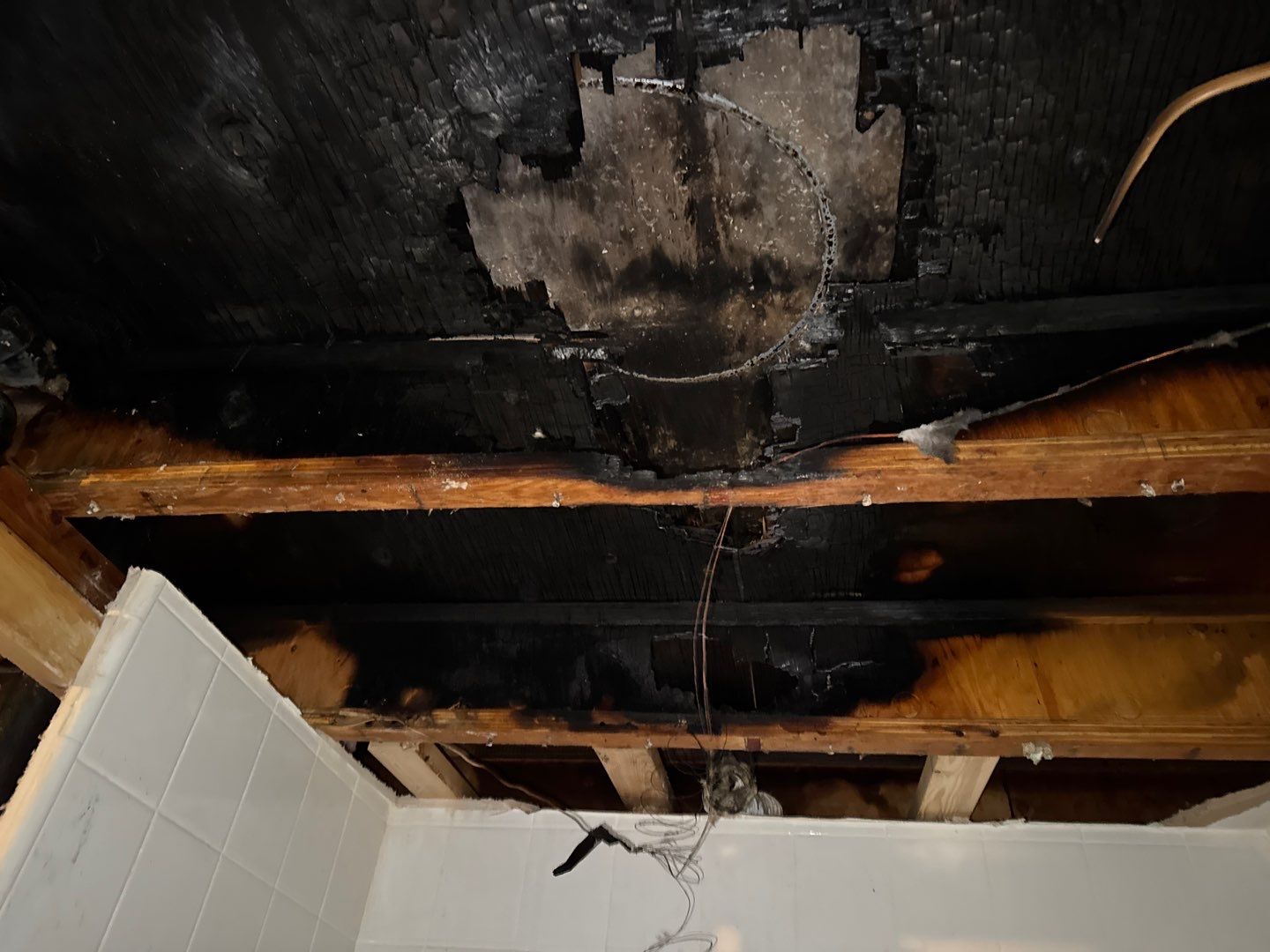
Most fire losses involve structural damage, smoke contamination, and often water from firefighting. A coordinated response reduces confusion and keeps recovery moving.
Fire damage is overwhelming because the problem is never limited to one thing. A structure may need emergency board-up, the interior may be coated with soot, contents may need to be documented, and the property often has added water damage from suppression efforts. Customers need a path forward quickly, not just a cleanup crew.
Disaster Repair Team is positioned here as the team that helps secure the property, organize the damage scope, support the claim process, and move the project toward full restoration instead of leaving customers stuck between separate vendors and disconnected next steps.
Emergency board-up, tarping, and hazard assessment help protect the structure from weather, theft, and further damage right after the loss.
Fire, smoke, soot, and water impact are documented clearly so the project scope and insurance conversations can move faster.
Debris removal, smoke cleanup, odor control, and drying work help turn the property from crisis mode into a controlled restoration job.
Because the company also operates as a licensed contractor, the job can move into repair without forcing the customer to start over with someone else.
The visible burn pattern is only part of the loss. Smoke travels well beyond the point of origin, soot settles into surfaces and contents, and water from firefighting often creates a second category of damage that has to be handled quickly. That is why strong fire-restoration pages cannot just talk about demolition. They need to explain what a complete response really looks like.
This page now frames the service around control, documentation, and continuity. That makes it clearer why an owner should call quickly and why a team with both restoration and contractor capability is valuable once the initial emergency phase is over.
Fire claims often carry more emotional and financial weight than other property losses. There may be temporary displacement, content loss, structural questions, and a wider scope debate about what has to be cleaned, removed, or rebuilt. A page like this should reduce that anxiety by showing that the team understands the process, not just the cleanup task.
The right promise here is not that the contractor decides coverage. It is that the team can document conditions clearly, communicate the scope more effectively, and keep the job moving with fewer gaps between field work and claim handling.
Make sure the property is safe to enter, contact your insurance carrier, and call for professional stabilization quickly so the structure can be secured and documented.
Yes. Most fire losses include smoke contamination and often water damage from firefighting, so the full scope has to be handled together.
Yes. Even a localized fire can create smoke and soot spread through surrounding rooms and HVAC pathways, so the visible burn area rarely tells the whole story.
That is part of the value proposition. The company can help move the project from emergency response and cleanup into repair and rebuild work.
Use this on-page request form instead of opening a local mail app.