1
Inspect And Identify The Source
The team looks at visible growth, moisture patterns, and likely hidden problem areas so the job is scoped around the real cause.
Inspection, containment, cleanup, moisture-source correction, and restoration support for homes and businesses dealing with mold growth.
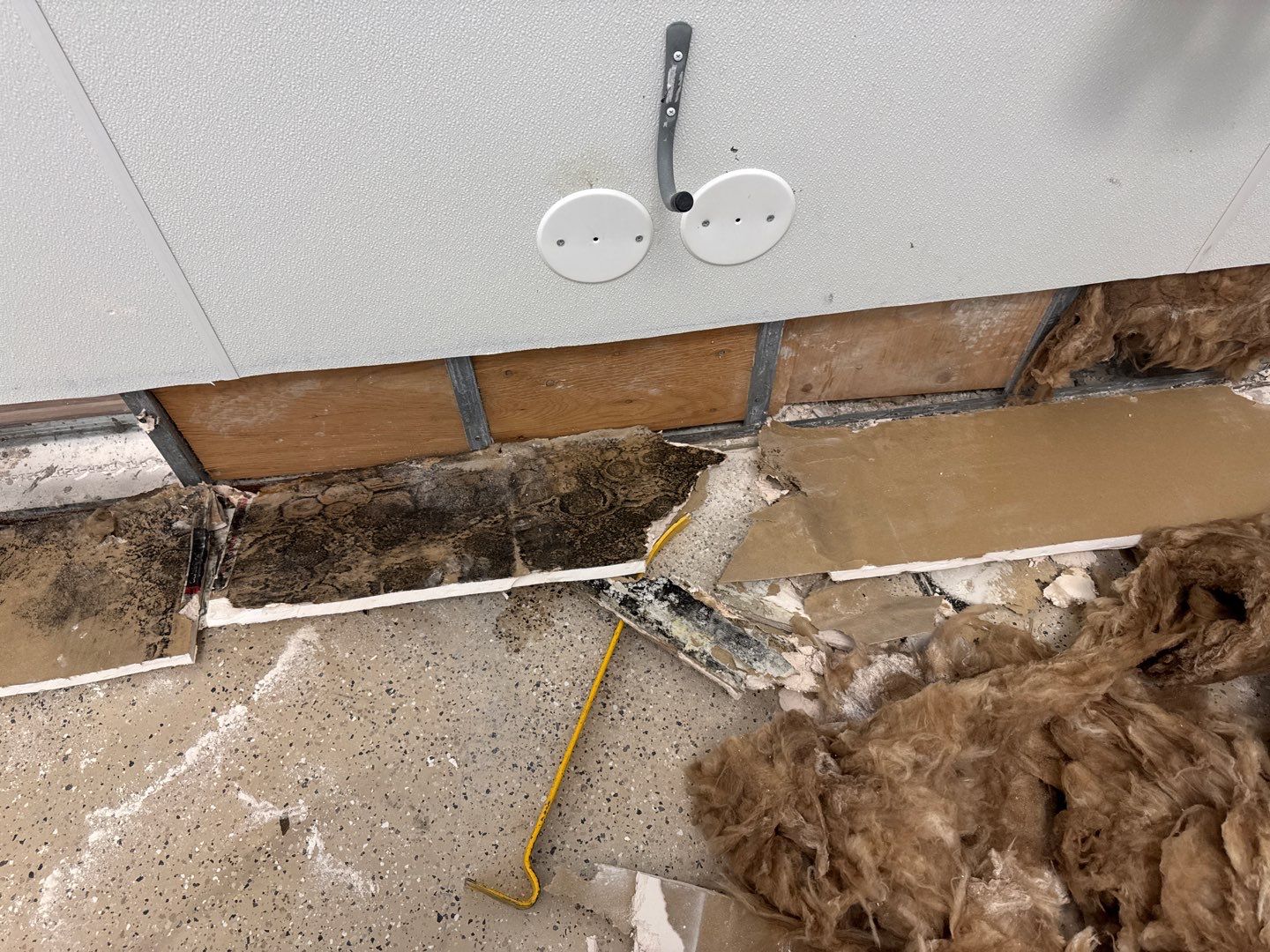
Visible mold is often only the symptom. Lasting remediation depends on finding the moisture source and keeping the problem from returning.
Mold issues create a different kind of urgency. A homeowner may be dealing with health concerns, a persistent odor, staining, or a fear that the damage is spreading behind walls or under flooring. The wrong move is to treat it like a surface-cleaning problem without understanding where the moisture came from in the first place.
This page now positions mold work around assessment, containment, remediation, and moisture-source control. That is a stronger message than generic cleanup language because it explains what customers actually need: clarity, safe handling, and a better chance of solving the underlying issue instead of chasing it repeatedly.
The team looks at visible growth, moisture patterns, and likely hidden problem areas so the job is scoped around the real cause.
Containment measures help keep spores and debris from spreading into unaffected parts of the property during cleanup.
Contaminated materials and affected surfaces are handled according to the remediation plan while cleanup focuses on restoring safe use.
Remediation is followed by moisture-control guidance and repair coordination where walls, flooring, or finishes need to be rebuilt.
That is one of the most important ideas this page now communicates. Mold growth is not usually the root issue by itself. It is often a signal that moisture has been allowed to persist in an enclosed or poorly ventilated area. So the service has to be framed around both remediation and moisture control, not just cleanup language.
That shift is better for both trust and conversion. It makes the company sound more thoughtful, more process-driven, and less likely to offer a shallow “spray and wipe” answer to a problem that may involve damaged materials or hidden spread.
Mold work also tends to make customers nervous because of health concerns and the possibility of the job growing once walls or finishes are opened up. A stronger service page should acknowledge that tension. That is why this version emphasizes assessment, containment, and scope clarity before jumping straight into removal steps.
That approach positions the company as a better guide through the job, especially for owners who need to understand what is happening, why certain materials may need to come out, and how repairs are handled after remediation is complete.
Leaks, flooding, humidity problems, hidden water intrusion, and poor ventilation are some of the most common causes.
Yes, if the original moisture source is not corrected. Good remediation includes both removal work and moisture-control planning.
No. Sometimes the visible stain is only the edge of a larger hidden issue, which is why assessment matters before assumptions are made.
Yes. If drywall, flooring, trim, or other materials need to be removed during remediation, the project may need coordinated repair work afterward.
Use this on-page request form instead of opening a local mail app.