1
Emergency Assessment
The team identifies the source, checks safety risks, and determines how far the water has already spread into surrounding materials.
Fast extraction, drying, documentation, and repair coordination for burst pipes, appliance failures, storms, floods, and sewage backups.
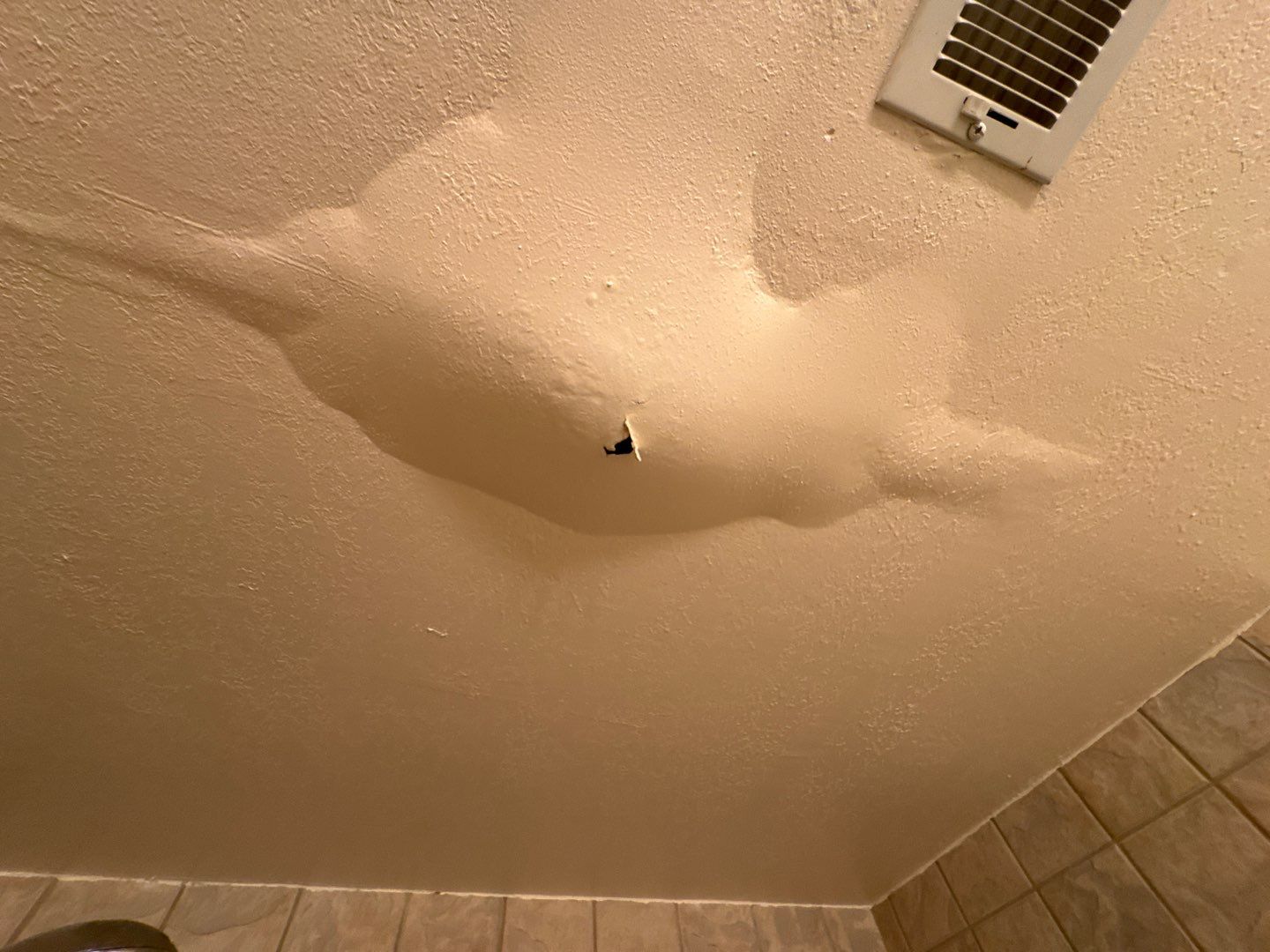
Water keeps moving after the visible leak stops. Fast response helps limit swelling, odor, mold risk, and hidden structural damage.
Water damage is one of the few property emergencies that keeps getting worse by the hour. Flooring absorbs moisture, drywall softens, insulation holds water, and mold pressure starts building long before the damage looks severe from the surface. That is why the first goal is not cosmetic cleanup. It is to stabilize the property, stop spread, and get the drying plan moving quickly.
Disaster Repair Team positions this service around emergency response, moisture control, documentation, and moving the job into repair when needed. For a homeowner or property manager, that means fewer handoffs, clearer communication, and a better chance of keeping the loss from turning into a much larger reconstruction problem.
The team identifies the source, checks safety risks, and determines how far the water has already spread into surrounding materials.
Standing water is removed quickly and the affected areas are stabilized to reduce further saturation and contamination risk.
Commercial drying equipment, moisture readings, and ongoing checks help ensure hidden moisture is not left behind in walls or floors.
Photos, readings, and scope notes support the insurance process while the job moves into repair or reconstruction if needed.
Water losses are deceptive because the visible damage is usually only part of the problem. Moisture travels under flooring, behind baseboards, into insulation, and through adjoining rooms. In many cases, what looks like a contained leak has already created hidden moisture pockets that need to be mapped and dried correctly.
That is where a professional restoration process matters. Extraction alone is not the finish line. The job also needs documented drying, moisture monitoring, contamination awareness, and a repair strategy that fits the actual scope of damage. When that sequence is rushed or incomplete, the customer pays for it later through odor, microbial growth, warped materials, or reopened repairs.
Water losses often turn into insurance questions almost immediately. What caused the damage? How far did it spread? What has to be removed? What can be dried in place? The page now positions this service around a more useful message: the team is not just cleaning up water, it is also helping organize the information needed for the claim process.
That does not mean making coverage decisions for the carrier. It means documenting conditions clearly, communicating scope cleanly, and helping the job move with fewer gaps between field work and claim handling.
Immediately. The longer water sits, the more it can spread into structural materials and the more likely the loss becomes a larger drying and repair job.
Yes. Burst pipes, water heater leaks, washing machine failures, overflowing fixtures, and storm-related intrusion are all common water-loss scenarios.
Yes. Sewage and other contaminated water events require stricter handling, cleanup, and safety controls than a standard clean-water leak.
That is part of the positioning here. The company presents itself as a full-service contractor that can help bridge the gap from emergency mitigation into repair work.
Use this on-page request form instead of opening a local mail app.